
EVIDENCE-BASED REPTILE CARE
Reptile care, done right.
We cite the veterinary and herpetological sources behind every recommendation, and we lead with what most keepers get wrong.
Care guides by reptile category
Every guide includes: enclosure setup, temperature and humidity, lighting (including UVB), feeding, handling, common health problems, and, uniquely, the mistakes most owners make and how to avoid them.
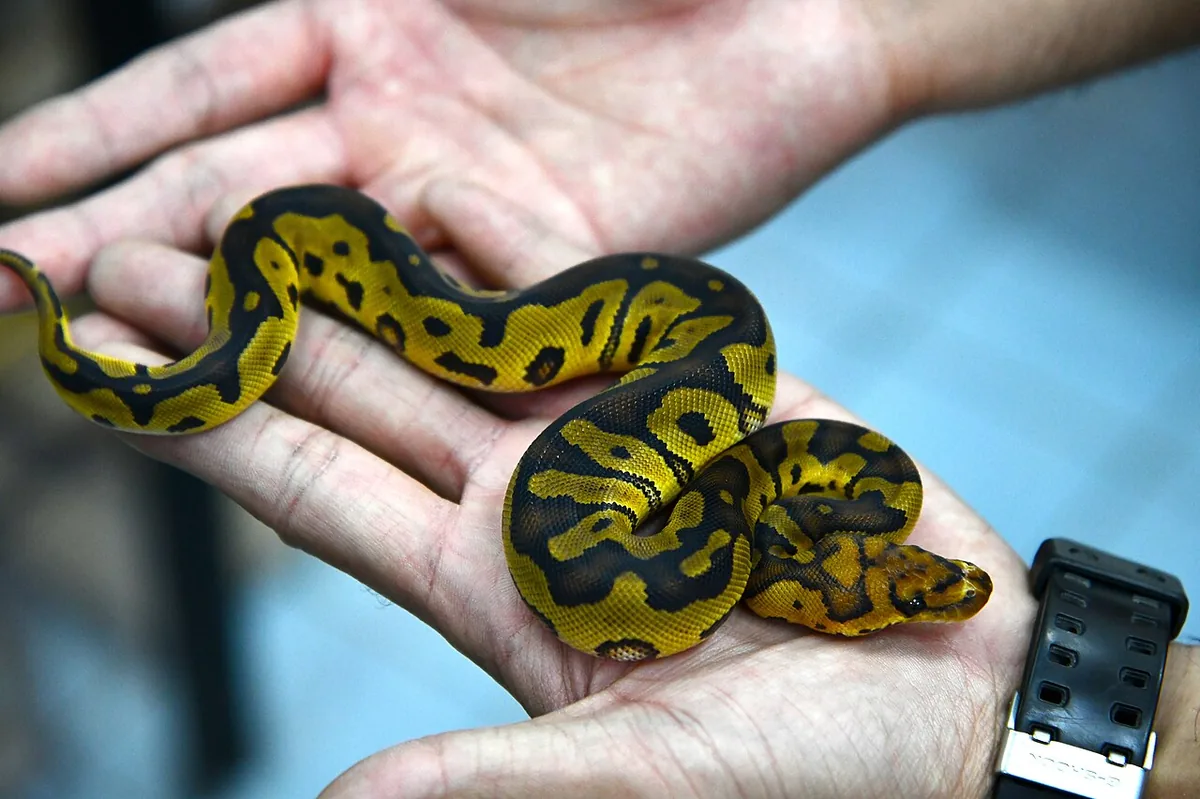
Snakes
Ball pythons, corn snakes, hognose snakes, and more. Beginner-friendly to advanced species, with honest assessments of which species actually fit which keepers.
Browse snake guides →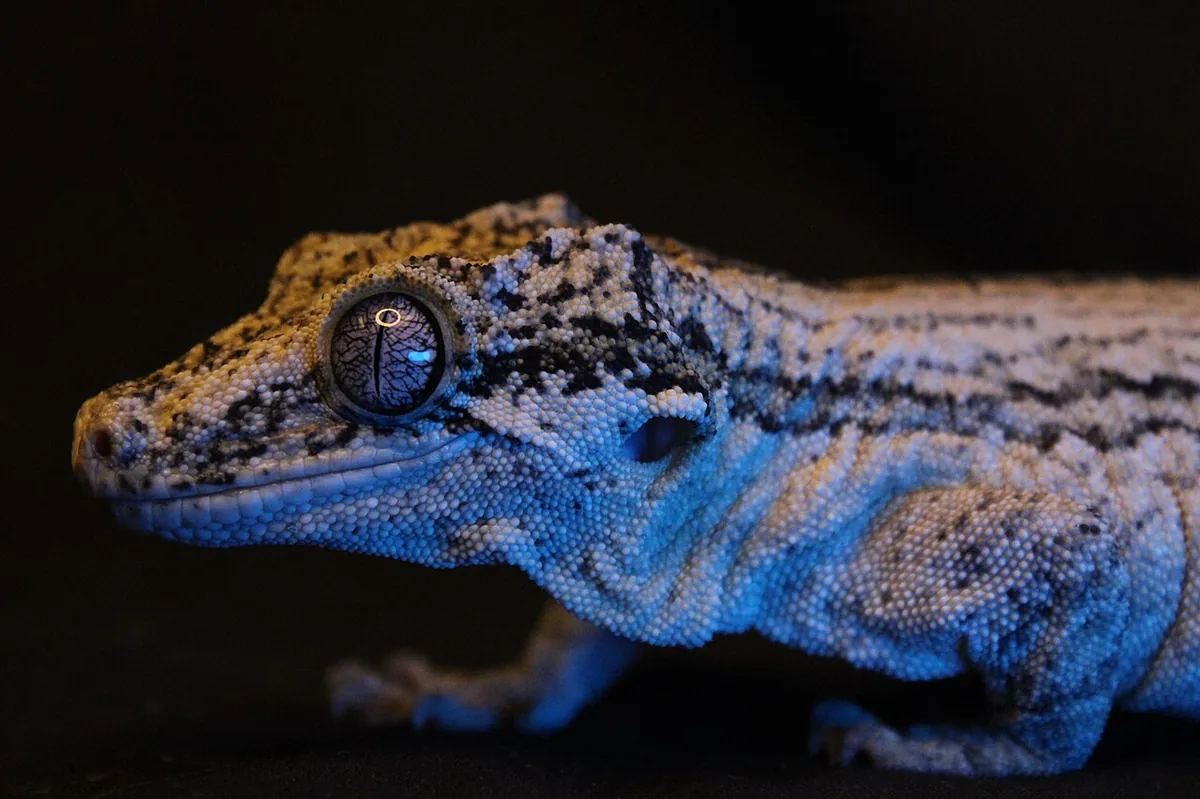
Lizards
Bearded dragons, leopard geckos, crested geckos, skinks, chameleons, tegus. The most diverse pet reptile category, and the one with the biggest care-information gaps.
Browse lizard guides →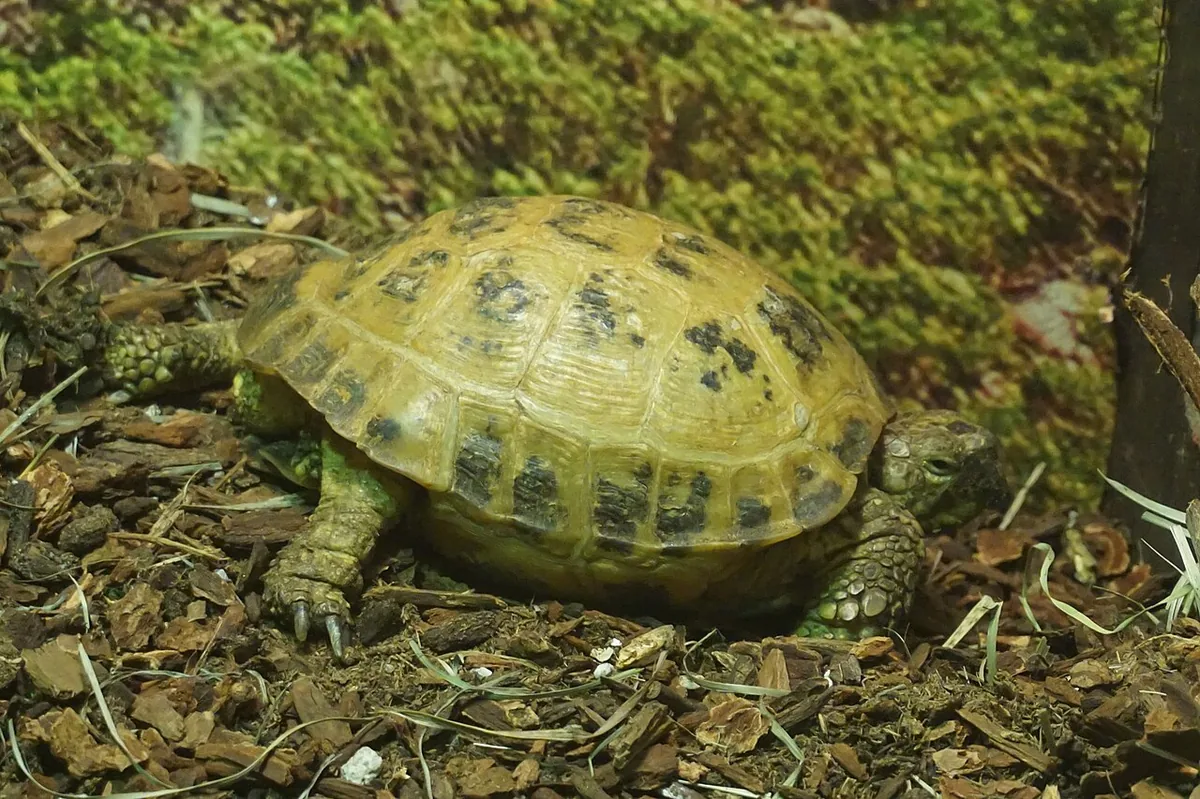
Turtles & Tortoises
Long-lived, often-misunderstood, frequently surrendered. We cover why a "starter" Russian tortoise needs a yard, why red-eared sliders aren't apartment pets, and what sulcata adults actually require.
Browse turtle & tortoise guides →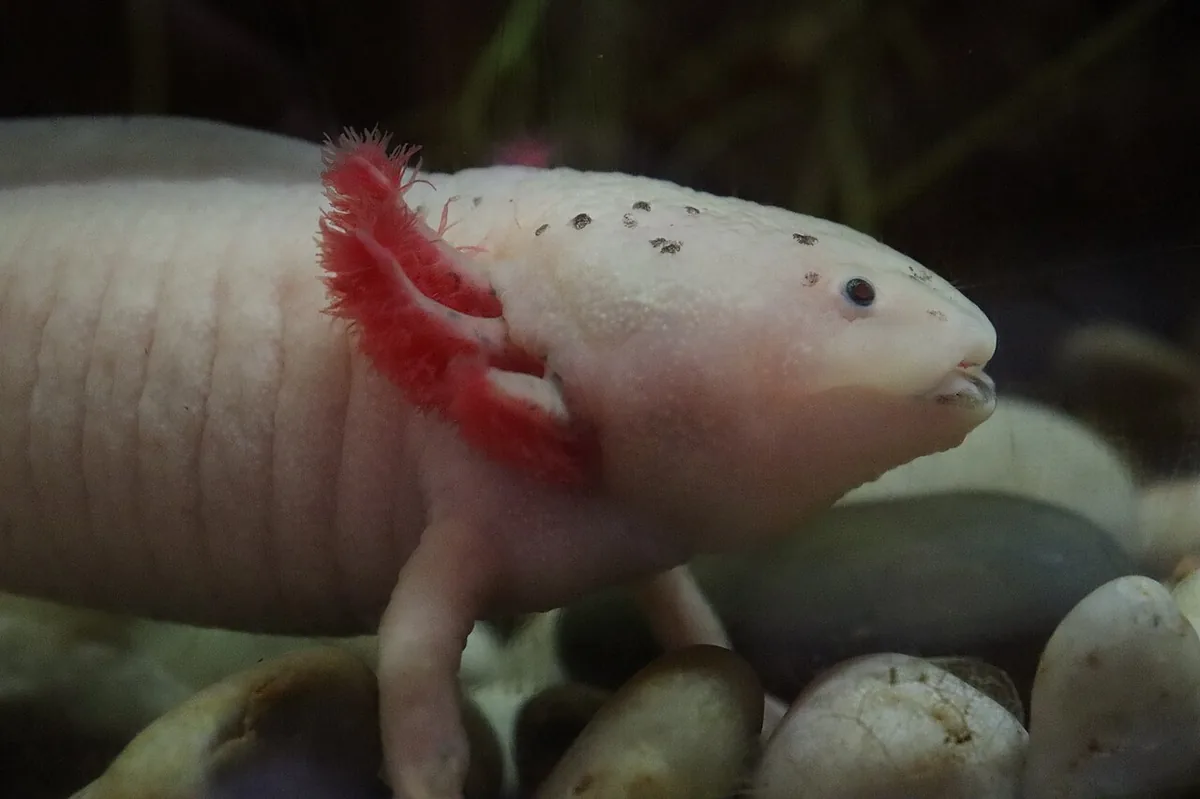
Amphibians
Axolotls and tree frogs. Different rules than reptiles, they breathe through their skin, which changes everything about husbandry. We cover the differences honestly.
Browse amphibian guides →Why this site exists
Peer-reviewed research consistently finds that a significant portion of pet reptile welfare problems trace back to information gaps, outdated husbandry advice, oversimplified care sheets, and traditions that contradict modern herpetological understanding. Most reptile sites tell you what to do. Almost none systematically explain what people get wrong, why it kills the animal, and how to course-correct.
Reptination is built to fill that gap. Every species page includes a "common mistakes" section called out with consequences, because the difference between a reptile that thrives and one that fails is usually one or two specific things the keeper didn't know.
Editorial standards
- Veterinary sources cited on every species page. The Merck Veterinary Manual, the Association of Reptile and Amphibian Veterinarians (ARAV), peer-reviewed herpetology journals, and other authoritative references, not just popular care sheets.
- Every guide carries a "last reviewed" date. Reptile husbandry research evolves. We update guides when the evidence does.
- Evidence over tradition. Where current research disagrees with common practice, we say so and explain why.
- Honest about depth. Quick care sheets for fast reference; full guides for committed keepers; advanced material for experienced ones. Same species, three levels of depth.
- No medical diagnosis. If your reptile is sick, see an exotic vet. We help you find one, we don't replace one.